


Malta Citizenship by Investment Program 2025: Comprehensive Guide
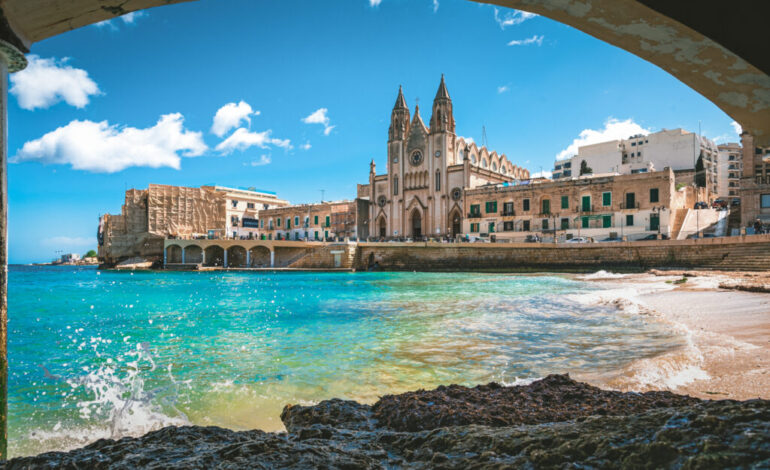
Located in the south of the European Union, in the heart of the Mediterranean, Malta has recently become one of the most strategic destinations for individuals seeking citizenship through investment. With its geopolitical location, safe living conditions, English-speaking environment, and strong European Union passport, Malta stands out in 2025 as one of the top destinations attracting investors. Among the increasing global immigration and investment-based residence programs, Malta’s “Citizenship by Investment” (CBI) model distinguishes itself through both its advantages and the transparency and legal security of the process.
The question “How to obtain Maltese citizenship?” is not only the starting point for a financial investment but also a strategic plan for sustainable living. Factors such as free movement within Europe, access to high-quality education and healthcare, low crime rates, and a strong economic infrastructure make Malta a unique choice compared to other European countries. As of 2025, the Malta Golden Visa program offers long-term security and opportunities for both individual investors and families. Administered by the Maltese government, this program opens the door to European Union citizenship for candidates who meet specific investment thresholds and comply with legal and ethical requirements.
In a world where global uncertainties are rising and financial stability is increasingly valued, Malta, with its strong legal system, direct access to the European market, and high international living standards, offers investors not just a “citizenship” but a “guarantee for the future.”
What is the Malta Citizenship by Investment Program?
The Malta Citizenship by Investment Program, officially named “Citizenship by Naturalisation for Exceptional Services by Direct Investment (CES),” is a special initiative run by the Maltese government that allows individuals to obtain citizenship in exchange for a specific investment. This program is a legally recognized process under European Union standards. Essentially, citizenship is granted to individuals who contribute to Malta’s economy under certain conditions.
This system differs from the commonly confused “Golden Visa” programs. While Golden Visas typically provide long-term residency, Malta’s CES model allows for direct acquisition of citizenship. Therefore, Malta’s program is considered one of the most prestigious and fastest citizenship options in Europe.
Applicants under the program are required to contribute a specific amount to Malta’s National Development Fund, purchase real estate or enter into long-term rental agreements, and invest in projects that provide economic value to the country. In return, investors who pass comprehensive background checks and submit complete documentation are granted citizenship after the designated period, thereby gaining access to a European Union passport.
Maltese citizenship requirements extend beyond financial criteria to include good character, a clean criminal record, lawful income declaration, and establishing a genuine connection with Malta. The applicant’s potential for integration, contribution to society, and participation in the country’s economic sustainability are also part of the evaluation process.
In conclusion, Malta’s citizenship by investment program is not just an “investment project” but a selective citizenship model contributing to Malta’s global economic vision. This model remains one of the strongest legal and strategic alternatives for investors planning permanent residence in Europe.
Malta Citizenship Requirements and Application Criteria (2025 Update)
Maltese citizenship is not merely an investment tool; it is a comprehensive process that requires adherence to legal, ethical, and economic standards. As of 2025, the Maltese government evaluates citizenship applications under the “Citizenship for Exceptional Services by Direct Investment” model, requiring applicants to make long-term contributions to the country.
Applicants must reside in Malta for a specified period, fulfill investment obligations, and comply fully with national laws. The application process considers not only financial capability but also the individual’s personal background, ethical values, and potential for integration into Maltese society.
According to Maltese citizenship requirements, applicants must make a minimum investment of €600,000, typically through contributions to the national development fund. Citizenship is granted after a 36-month residency period, while applicants investing €750,000 and residing in Malta for at least 12 months may obtain citizenship sooner.
In addition to investment, applicants must purchase property in Malta or enter into long-term rental agreements and submit official documentation proving a permanent connection to the country. The Maltese government also requires a clean criminal record, proof of regular income, and valid health insurance. All documents are carefully reviewed, as Malta maintains a highly trusted and reputable citizenship framework within the European Union.
The program also extends to family members. Spouses, children under 18, and dependent adult children (e.g., university students) can be included in the same application, making the program attractive for families.
Malta Citizenship Costs (2025 Updated Fees)
The cost of Maltese citizenship varies depending on the chosen investment model and the number of family members. As of 2025, the base investment starts at €600,000, with €750,000 investments allowing faster processing. Applicants must also purchase real estate in Malta worth at least €700,000 or rent a property with an annual lease of at least €16,000.
Additionally, a €15,000 donation per application is mandatory, supporting social projects in Malta. Costs increase with family members: approximately €50,000 for a spouse and €25,000 per child. For a family of four, total costs range between €850,000 and €1,000,000.
Although these amounts may seem high by European standards, the value of a Maltese passport—including visa-free travel within the Schengen Area, EU residency rights, and strong economic stability—makes the investment worthwhile.
Investment Options in Malta – Real Estate, Donations, and Government Funds
The Malta Citizenship by Investment Program offers applicants flexibility through various investment options, including real estate, contributions to government funds, and charitable donations. This system aims not only to facilitate financial capital flow but also to ensure long-term economic and social contributions to Malta.
Investors can purchase property in Malta or enter into long-term rental agreements. Real estate must be valued at a minimum of €700,000, or rental contracts must involve annual payments of at least €16,000 over five years. The property must remain in Malta for the duration of the investment.
Additionally, Malta requires investors to contribute directly to the National Development and Social Fund, a core component of the application process. Social responsibility contributions are also expected, with applicants donating at least €10,000 to local charities, foundations, or social projects. This requirement emphasizes the program’s dual economic and societal objectives.
Property Prices and Investment Returns in Malta
Property prices in Malta vary by location and type. Valletta and Sliema are the most sought-after areas by investors. As of 2025, central districts feature average prices of €6,000–€9,000 per square meter, meaning typical apartments cost between €500,000 and €800,000.
Malta’s real estate market is stable, with property values generally appreciating annually. In regions with strong tourism, finance, and technology sectors, investment returns are estimated at 5–8 years. Therefore, property acquisition in Malta serves not only citizenship purposes but also long-term capital preservation.
Malta Citizenship Fee 2025 – Actual Cost Analysis
The total cost of Maltese citizenship includes more than just the investment. Application fees, consultancy charges, government fees, and annual obligations are part of the overall expenditure.
The main investment contribution ranges from €600,000 to €750,000, while official government application and processing fees are around €15,000 per individual. Real estate purchase entails notary, registration, and legal fees, averaging €30,000.
Family members increase costs further, with separate processing fees and mandatory health insurance. Including dependent adult children or parents may push total costs beyond €1,000,000.
Additionally, ongoing annual expenses, such as property maintenance, insurance renewals, and occasionally taxes, amount to €5,000–€10,000. Therefore, the real cost includes all legal, logistical, and living expenses, while the benefits—EU citizenship, free movement, and economic security—far outweigh the initial expenditure.
Difference Between Residency and Citizenship in Malta
Malta is one of the few European countries offering both residency and citizenship through investment. However, these statuses differ significantly in scope and rights.
The Malta Residency by Investment Program provides individuals with the right to live, study, and establish businesses in the country but does not confer EU citizenship. Residents do not have free movement within EU countries.
In contrast, the Citizenship by Naturalisation for Exceptional Services by Direct Investment (CES) grants a Maltese passport and EU citizenship, providing rights to reside, work, study, and travel freely throughout the European Union.
Investors may transition from residency to citizenship after continuous residence for 12–36 months, subject to clean criminal records, legal income verification, and demonstration of integration into Maltese society.
How to Obtain Residency in Malta
The process for acquiring residency in Malta involves government-approved investment pathways:
- Real Estate Investment: Purchase property worth at least €300,000 or rent with annual lease starting at €10,000.
- Government Contribution: Make a specific donation to the National Development and Social Fund.
- Proof of Independent Income: Demonstrate sufficient income to sustain life in Malta.
- Health Insurance: Provide a valid policy recognized in Malta or across the EU.
Upon completing these steps, applications are reviewed, and residency is granted. Citizenship eligibility requires additional residence time and government approval.
Maltese Passport – One of Europe’s Strongest
The Maltese passport is one of the world’s most powerful travel documents. In 2025, Maltese citizens can enter over 190 countries visa-free or with visa-on-arrival, including the Schengen Area, the UK, Canada, the USA (via ESTA), and Australia.
The passport also confers full EU citizenship rights, including residence, education, work, and company establishment privileges.
How to Obtain a Maltese Passport
A Maltese passport is available only to investors meeting specific requirements:
- Apply to the Malta Citizenship by Investment Program (CES).
- Fulfill investment and donation requirements to receive temporary residency.
- Reside in Malta for 12–36 months.
- Submit citizenship application, and upon government approval, obtain the Maltese passport.
Malta permits dual citizenship, allowing applicants to retain their original nationality. This policy is attractive for legal and tax purposes, as Malta manages the process transparently and provides tax benefits to applicants.
Advantages of Maltese Citizenship
- Freedom of Movement in the EU: Maltese citizenship grants the right to reside, study, work, and invest in any EU country.
- EU Standards in Education and Healthcare: Citizens benefit from high-quality and low-cost or free services.
- Living in Malta – Peace in the Mediterranean: Sunny 300 days per year, low crime, English-speaking society, and tax advantages attract residents.
- Business and Investment Opportunities: Malta excels in digital, finance, and maritime sectors, offering corporate tax benefits and EU market access.
- Dual Citizenship and Tax Benefits: Citizens retain their original nationality and enjoy favorable tax rules.
Life and Economy in Malta (2025 Data)
Despite its small size, Malta offers high living standards and a stable economy. In 2025, it is considered one of the EU’s safest and most investor-friendly destinations.
Cost of Living and Minimum Wage (2024–2025)
- Minimum wage (2024): €913; projected (2025): €950–970.
- Average monthly living cost (excluding rent): €900–1,100.
- City-center rent: €1,200–1,800; outskirts: €800–1,200.
Low crime, Mediterranean climate, English-speaking society, and high healthcare standards make Malta attractive for long-term residence.
Popular Sectors and Opportunities
Malta’s economy is service-oriented. Fastest-growing sectors in 2025 include:
- Financial services and fintech
- Digital marketing and iGaming
- Maritime and logistics
- Tourism and hospitality management
- Education and language schools
Foreign investors benefit from tax incentives, EU trade freedom, and ease of company formation, especially in digital industries.
Turkish Community and Businesses in Malta
Approximately 2,500 Turkish citizens reside in Malta in 2025, active in education, tourism, and trade. Prominent Turkish businesses include consultancy, restaurants, e-commerce, and software ventures. Malta offers an ideal gateway for Turkish investors seeking EU presence and English-speaking operations.
Key Updates in the 2025 Malta Citizenship Program
- EU Compliance: Stricter eligibility checks and verification of income, criminal record, and international documentation.
- Application Requirements and Duration: Minimum investment €600,000; expedited process €750,000. Real estate purchase or long-term lease still required.
- Digital Transparency: Online application tracking available via Maltese government systems.
Comparison with Other European Programs
- Hungary: Lower fees (€250,000–€300,000), only residency, not direct citizenship.
- Slovenia: Costs €400,000–€500,000, requires long-term residence.
Malta provides the safest and most prestigious route to EU citizenship.
Why Choose Malta? Take the Right Step with Global Xpert
Navigating Malta’s citizenship process involves complex documentation, investment planning, and legal compliance. Global Xpert offers expert guidance through every step:
- Selecting the optimal investment
- Preparing complete documentation
- Managing the application end-to-end
- Ensuring legal compliance with the Maltese government
Start your Maltese citizenship journey securely with Global Xpert today.
Conclusion: A New Life in Europe with Maltese Citizenship
In 2025, Malta is a reliable destination not only for investors but for anyone seeking high-quality life and long-term stability. Maltese citizenship provides EU-wide residence, work, and travel freedom, while Malta’s strong economy, strategic location, and English-based culture offer the perfect foundation for a long-term life plan.
Take the first step toward European citizenship today with Global Xpert.
Official Sources and Reliable Guidance: Take the Right Step with Global Xpert
Accessing updated and accurate information is critical for a smooth application process. Official Maltese government websites include:
- 🇲🇹 Identità – Identity, Passport and Residence Affairs Office: Officially manages ID, passport, and visa procedures.
- ⚖️ Office of the Regulator – Maltese Citizenship by Exceptional Services: Oversees CBI program compliance.
- 🕊️ Malta Ministry for Foreign Affairs – Citizenship Services: Official citizenship and international affairs portal.
Global Xpert Advantage:
While official sources provide essential information, Global Xpert guides you end-to-end, ensuring correct investment choices, complete documentation, and coordinated application management.
Start your Maltese citizenship process confidently with Global Xpert today.

Trusted experts in global investment, residency & citizenship—offering strategy, insight, and client-focused success.


